Walmart Liquidation Pallets vs. Amazon Return Pallets: Which Is Better for Resellers?
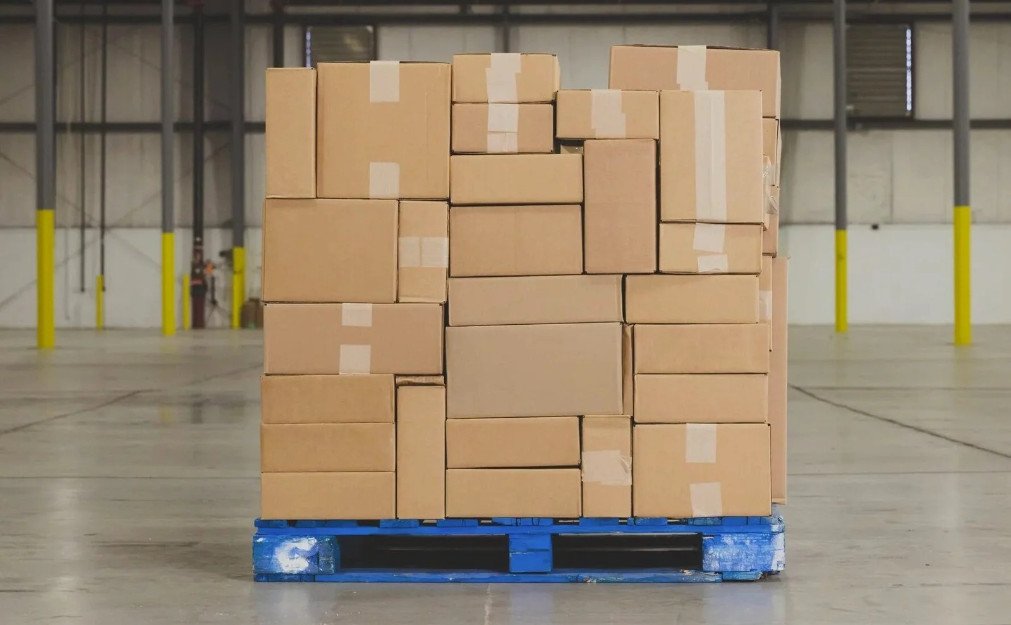
If you're looking to grow a resale business, liquidation pallets can provide an opportunity to purchase merchandise in bulk at prices below traditional wholesale retail.
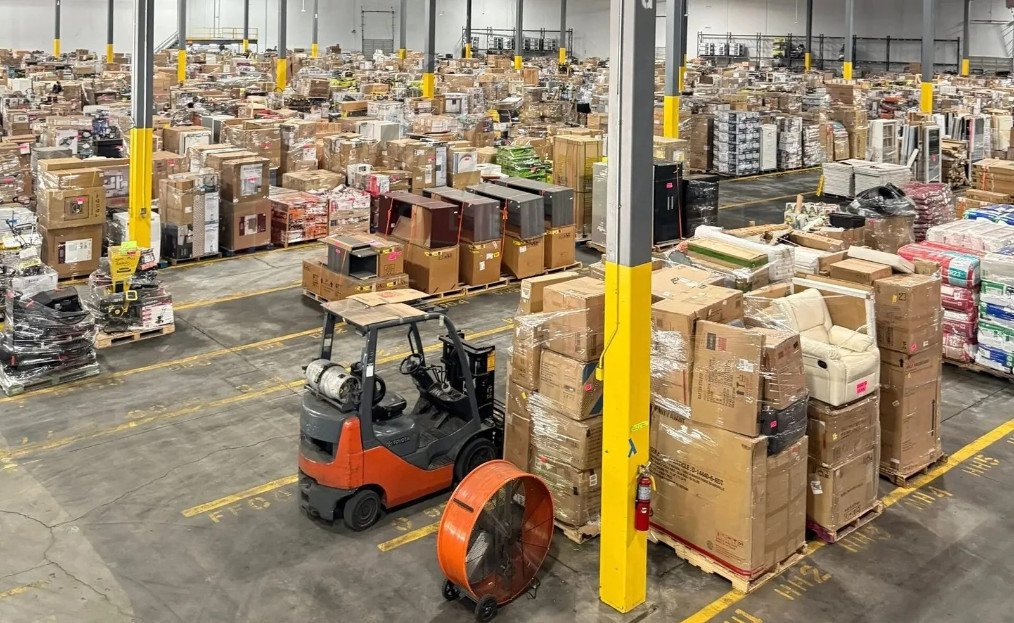
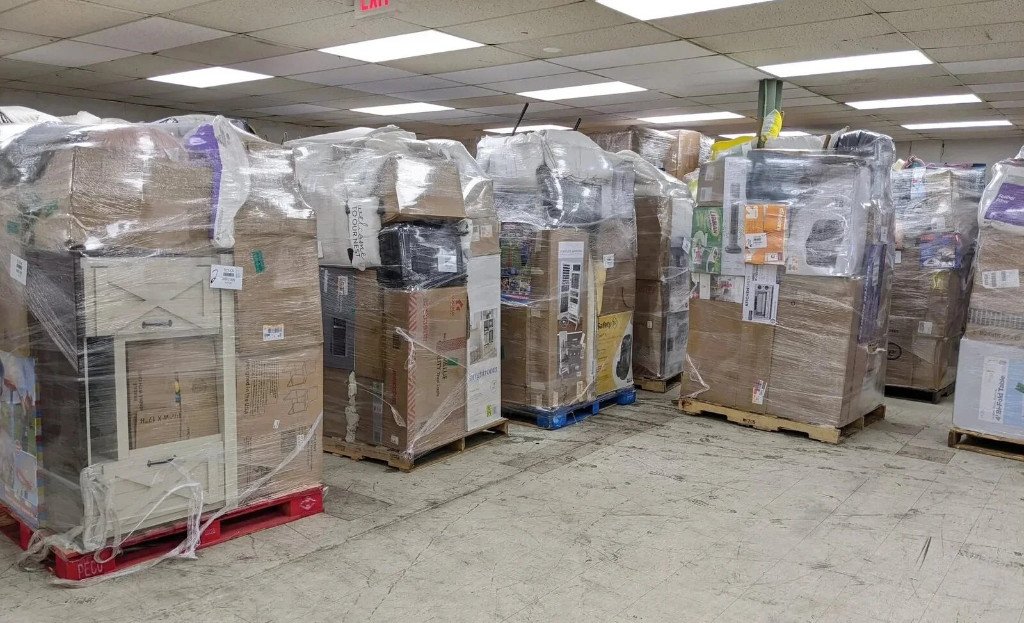
Two of the most popular categories for resellers are Walmart liquidation pallets and Amazon return pallets. While both can contain valuable merchandise, they are quite different in terms of product types, condition, manifest information, storage requirements, and resale potential.
At Prime Source Depot, we understand that choosing the right type of liquidation inventory is an important part of building a profitable resale operation. That's why we've put together this guide to help you understand the differences between Walmart liquidation pallets and Amazon return pallets.
Walmart Liquidation Pallets vs. Amazon Return Pallets
Before purchasing any liquidation inventory, it's important to understand where the merchandise comes from and what type of products you are likely to receive.
Walmart Liquidation Pallets
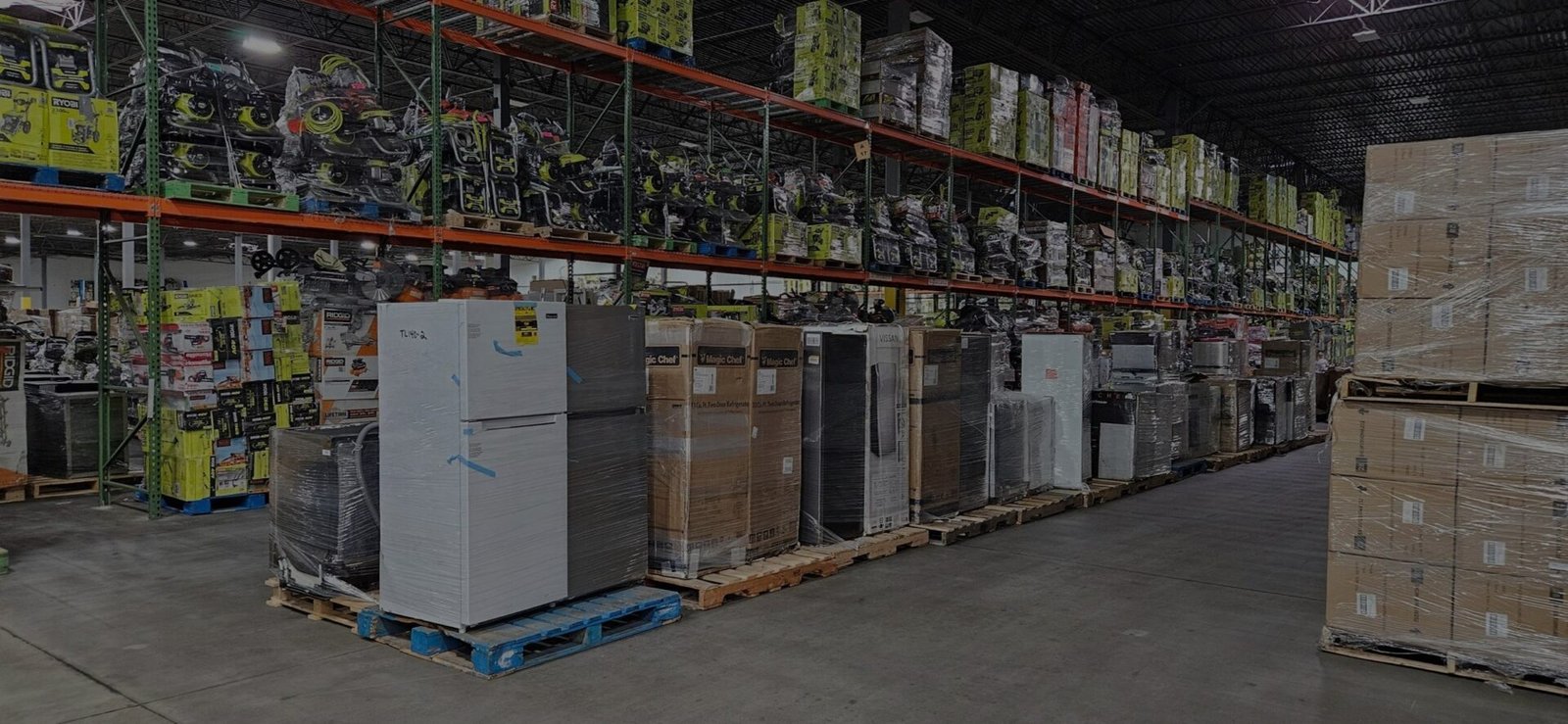
Walmart liquidation inventory can include a broad range of merchandise from categories commonly found in large retail stores and online marketplaces.
Depending on the pallet, inventory may include:
One of the advantages of Walmart liquidation inventory is the variety of products available. Resellers can potentially find recognizable brands and products that are suitable for local retail stores, online marketplaces, flea markets, discount stores, and other resale channels.
However, Walmart pallets can also contain larger or heavier merchandise, so buyers should consider storage space, transportation, and handling costs before purchasing.
Amazon Return Pallets
Amazon return pallets can offer a very different type of inventory.
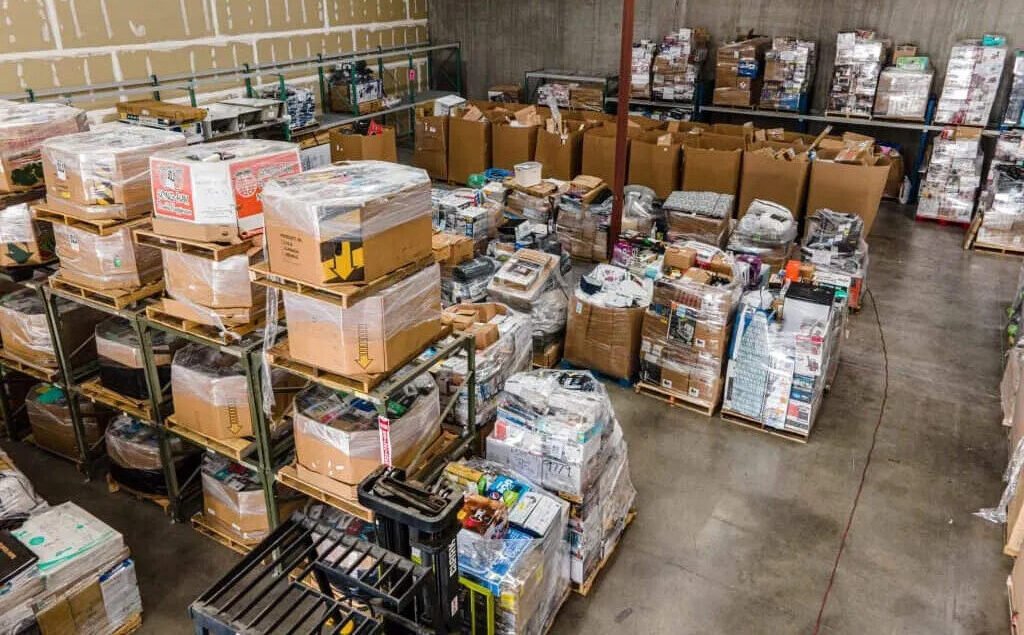
Because Amazon sells products across thousands of categories, return pallets may contain a diverse selection of merchandise. Depending on the source and lot, products may include:
Amazon return pallets can be particularly attractive to online resellers because many products are relatively small and easy to store, photograph, list, and ship.
However, customer-return merchandise can vary significantly in condition. Some items may be unopened, while others may have been opened, used, damaged, or returned because of missing accessories or other issues.
That's why proper inspection and product grading are essential when working with return inventory.
Key Differences Between Walmart and Amazon Liquidation Pallets
| Factor | Walmart Liquidation Pallets | Amazon Return Pallets |
|---|
| Product variety | Broad selection of retail merchandise | Very broad selection across many categories |
| Typical merchandise | General merchandise, home, tools, seasonal goods and more | Electronics, home goods, apparel, accessories and more |
| Product size | Can include large and bulky products | Often small to medium-sized products |
| Condition | Overstock, shelf-pulls, returns and other liquidation inventory depending on the lot | Frequently customer-return merchandise, along with other liquidation inventory |
| Manifest availability | Depends on the specific lot | Depends on the specific lot |
| Storage requirements | May require more space for bulky products | Often easier to store when inventory is smaller |
| Resale opportunities | Local stores, online marketplaces and direct-to-consumer sales | Online marketplaces, discount stores, bin stores and local resale |
| Best for | Resellers looking for diverse retail inventory | Resellers comfortable processing and testing returned merchandise |
Which Is Better: Walmart or Amazon Liquidation Pallets?
There isn't one answer that works for every reseller.
The better choice depends on your budget, storage capacity, sales channel, experience level, and willingness to process inventory.
Walmart Pallets May Be a Good Choice If:
You have adequate storage space.
You sell through a physical retail location.
You have access to local customers.
You're comfortable handling larger merchandise.
You want a diverse selection of retail products.
You have transportation available for larger loads.
Amazon Return Pallets May Be a Good Choice If:
You primarily sell online.
You have limited storage space.
You are comfortable inspecting and testing returned merchandise.
You prefer smaller, easier-to-ship products.
You operate a discount or bin-style retail business.
You have an established process for grading inventory.
Understanding Product Condition
One of the most important things to understand before purchasing liquidation inventory is that liquidation merchandise is not the same as traditional new wholesale inventory.
Depending on the particular lot, merchandise may include new, open-box, customer-returned, overstock, shelf-pull, used, damaged, or incomplete products.
For that reason, resellers should carefully review the available information about a pallet before making a purchase.
A good inventory-processing system can divide merchandise into categories such as:
Grade A — New or Excellent Condition
Items that are new, sealed, or in excellent resale condition can generally be prioritized for regular retail or online listings.
Grade B — Open Box or Lightly Used
These products may have been opened or lightly handled but can still have strong resale potential after inspection.
Grade C — Used or Damaged
These products may require cleaning, testing, repair, replacement parts, or discounted pricing before resale.
Grade D — Salvage
Items that are incomplete, severely damaged, or otherwise unsuitable for normal resale may be better suited for parts, repair, recycling, or disposal.
Having a consistent grading system can help resellers understand their inventory and price products appropriately.
Calculate Your Total Cost Before Buying
One of the biggest mistakes new liquidation buyers make is looking only at the purchase price.
Your actual investment can include:
Pallet purchase price
Shipping or freight
Loading and unloading
Storage
Labor
Cleaning
Testing
Repairs
Missing accessories
Marketplace fees
Packaging
Returns
Unsellable merchandise
For example, a pallet that appears inexpensive at first may become significantly more expensive after freight and processing costs are included.
At Prime Source Depot, we encourage buyers to evaluate the entire cost of acquiring and processing inventory—not just the advertised pallet price.
How to Choose the Right Liquidation Pallet
Before purchasing, ask yourself a few important questions:
1. What products do I already know how to sell?
If you're experienced with electronics, tools, clothing, home goods, or another category, starting with merchandise you understand can make the resale process easier.
2. Where will I sell the inventory?
Your sales channel matters. Online sellers may prefer smaller products that are easier to photograph, list, package, and ship. Local retailers may have an advantage with larger merchandise.
3. How much storage space do I have?
Never purchase more inventory than you can realistically store, organize, and process.
4. Can I inspect and test returned products?
Amazon-style return inventory can require additional inspection and testing. Make sure you have the time, equipment, and knowledge to handle it.
5. Have I calculated my landed cost?
Consider the purchase price plus freight, handling, storage, labor, repairs, and other expenses before determining whether a pallet makes financial sense.
Tips for Buying Liquidation Pallets
Whether you choose Walmart liquidation pallets, Amazon return pallets, or another type of wholesale liquidation inventory, keep these practices in mind:
Buy Based on Your Business Model
Don't purchase a pallet simply because it appears to contain high-value products. Choose inventory that fits the way you actually sell.
Review the Available Information
When a manifest or detailed product information is available, review it carefully. Understand what is included before committing your money.
Consider Condition
Don't assume every item in a liquidation pallet is ready for immediate resale. Build inspection and processing into your business model.
Start at a Manageable Scale
If you're new to liquidation, it can be better to start with a manageable quantity, learn your processing and resale numbers, and scale gradually.
Keep Accurate Records
Track your purchase cost, freight, processing expenses, selling prices, fees, and unsold inventory. These numbers will help you determine which types of pallets are actually profitable for your business.
Walmart vs. Amazon: Which One Should You Buy?
Both Walmart liquidation pallets and Amazon return pallets can provide opportunities for resellers, but they serve different business needs.
Walmart liquidation pallets may be attractive to businesses looking for a wide variety of retail merchandise, including products that may be better suited for local or physical retail.
Amazon return pallets may appeal to online sellers and other businesses that are comfortable processing a high variety of customer-return merchandise.
Ultimately, the best pallet is not necessarily the one with the highest advertised retail value. It's the one that fits your budget, storage capacity, sales channels, experience, and ability to process the inventory.
Source Your Wholesale Liquidation Inventory with Prime Source Depot
At Prime Source Depot, our goal is to help resellers and businesses access wholesale liquidation inventory and identify opportunities that fit their business model.
Whether you're an experienced liquidation buyer or you're just getting started, take the time to understand the merchandise, evaluate your costs, and develop a clear resale strategy before purchasing.
Ready to explore wholesale liquidation opportunities?
Explore available inventory from Prime Source Depot and find merchandise that fits your resale business.