The Beginner’s Guide to Buying Liquidation Pallets: How to Get Started with Prime Source Depot
Buying liquidation pallets for the first time can feel overwhelming. What is actually inside a pallet? How much should you pay? Are liquidation returns worth buying? And most importantly, how can you turn wholesale liquidation inventory into a profitable resale business?
At Prime Source Depot, we believe getting started should be straightforward. Whether you are an experienced reseller, a flea-market vendor, an online seller, a discount-store owner, or someone looking to start flipping products for the first time, understanding the liquidation process can help you make smarter buying decisions.
This guide explains what liquidation pallets are, where the inventory comes from, what to look for before purchasing, and how to build a resale strategy around your inventory.
What Is a Liquidation Pallet?
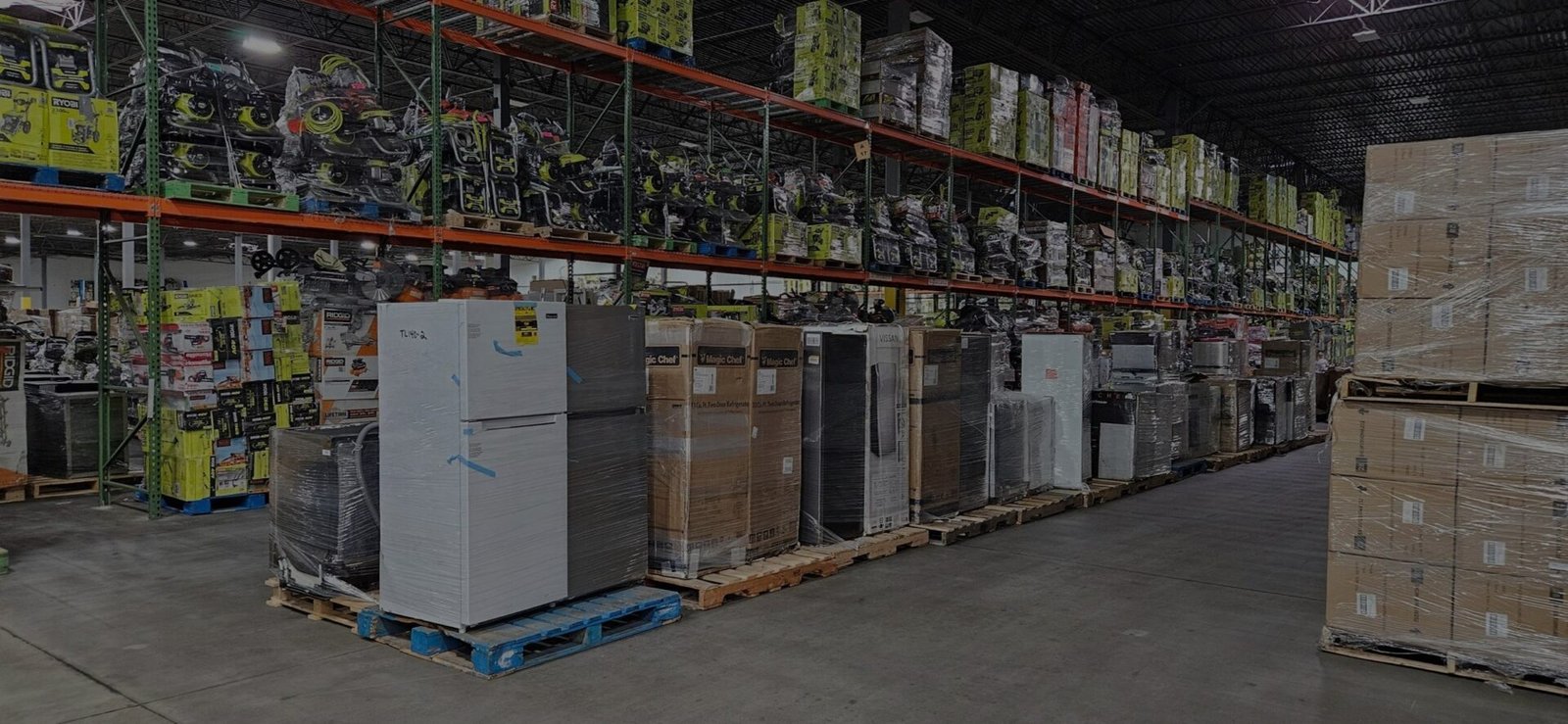
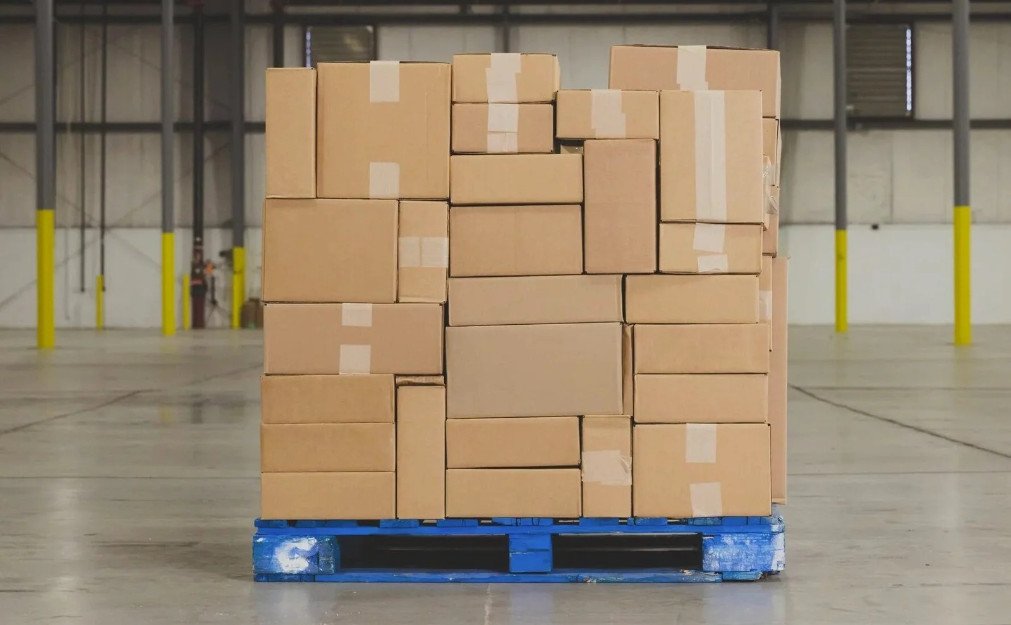
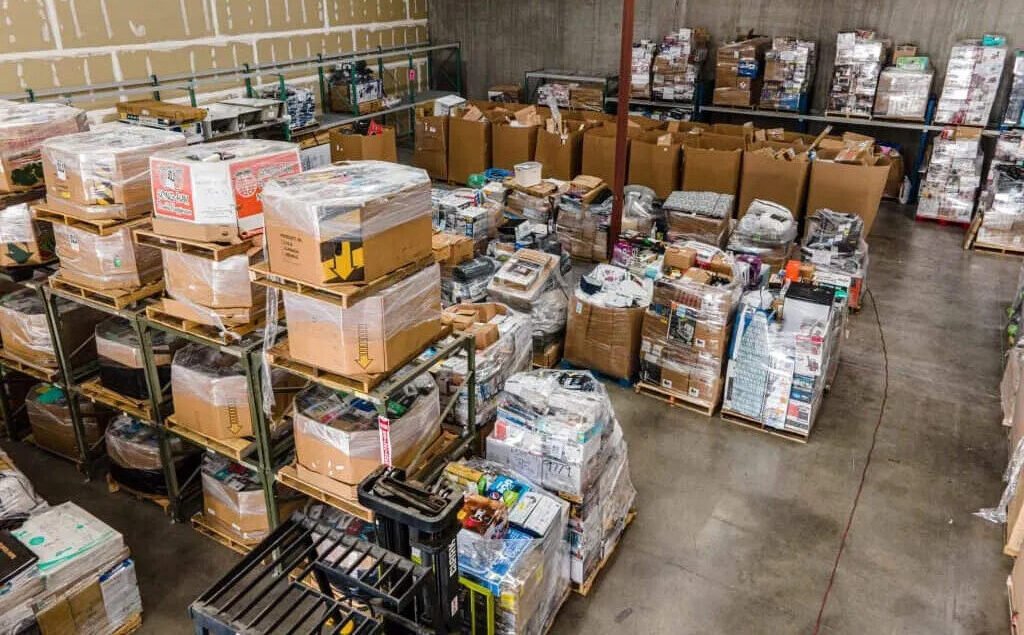
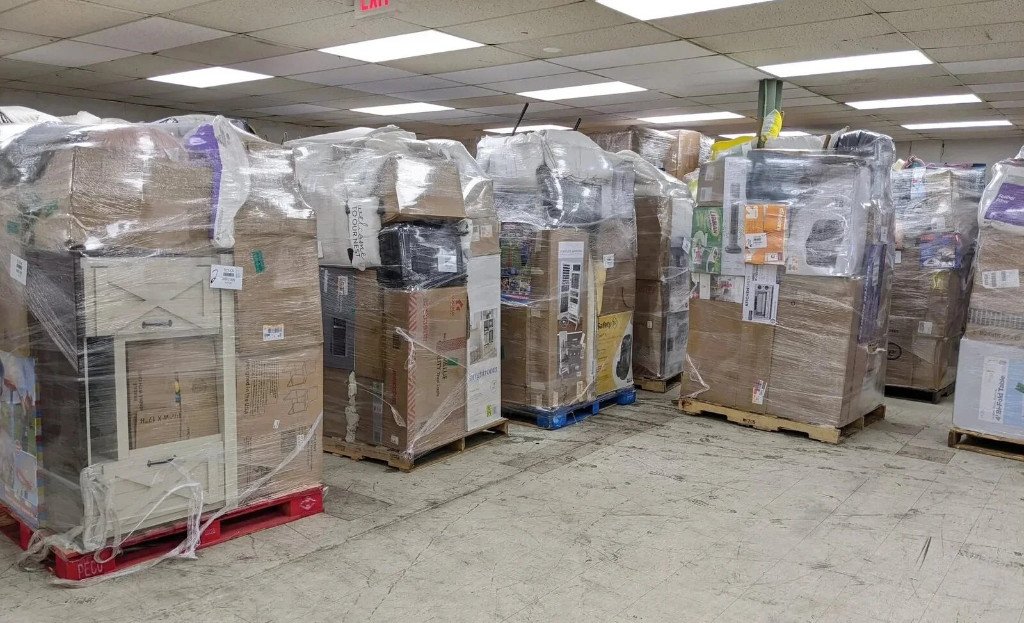
A liquidation pallet is a bulk load of merchandise that has been liquidated by retailers, manufacturers, distributors, or other businesses.
These pallets can contain products from categories such as:
Rather than allowing excess inventory, customer returns, discontinued products, or overstock to remain in a retailer's supply chain, these goods can be sold through liquidation channels.
For resellers, this creates an opportunity to purchase merchandise at wholesale liquidation prices and resell individual products for a potential profit.
However, liquidation is not the same as buying brand-new retail inventory. Product condition, quantity, packaging, and resale value can vary, which is why knowing what you are buying is so important.
Where Does Liquidation Inventory Come From?
Liquidation merchandise can come from several sources.
Customer Returns
Customer-return merchandise may have been opened, used, tested, or returned for a variety of reasons. Some products may be in excellent condition, while others may require inspection, cleaning, testing, or minor repairs.
Overstock
Overstock consists of products retailers have more of than they currently need. These products can provide attractive opportunities for resellers because they may be unused and in retail-ready condition.
Shelf Pulls
Shelf pulls are products removed from retail shelves because of product changes, packaging updates, seasonal transitions, or discontinued inventory.
Excess and Closeout Inventory
Businesses periodically need to clear older or excess merchandise to make room for new inventory. Liquidation channels allow that inventory to move into the secondary market rather than sitting in storage.
At Prime Source Depot, we focus on giving resellers access to liquidation inventory while providing clear information about the merchandise so buyers can make informed purchasing decisions.
Who Buys Liquidation Pallets?
You do not have to be a large company to benefit from liquidation pallets.
Our customers can include:
eBay sellers
Facebook Marketplace sellers
Online entrepreneurs
Flea-market vendors
Discount retailers
Bin-store operators
Small businesses
Wholesale buyers
Experienced pallet resellers
First-time product flippers
The right pallet depends largely on your business model.
For example, someone selling electronics online may have very different buying criteria from someone operating a local discount store.
Before buying, think about where you plan to sell the products.
How Much Money Do You Need to Get Started?
There is no single price for a liquidation pallet.
Pricing can vary depending on:
One of the biggest mistakes beginners make is focusing only on the purchase price.
Instead, consider the total cost of acquiring and reselling the inventory.
Your calculation should include:
Pallet Cost + Shipping/Freight + Handling + Testing/Repairs + Selling Fees = Total Investment
Then compare that investment with the realistic resale value of the products.
A pallet with a low purchase price is not necessarily a good deal if the products are difficult to sell or expensive to transport.
Start Small and Learn the Process
If this is your first liquidation purchase, you do not necessarily need to buy a truckload.
Starting with a single pallet can give you an opportunity to learn:
How to inspect liquidation merchandise.
How to determine product condition.
Which categories sell fastest for you.
How much time inventory processing requires.
Which sales channels generate the best results.
How to calculate your actual profit.
Once you understand your numbers, you can gradually increase your purchasing volume.
What Should You Look for When Buying a Pallet?
Before purchasing, pay attention to the details.
1. Product Category
Choose products that fit your existing sales channel.
If you already sell tools successfully, a tool pallet may make more sense than purchasing a completely unfamiliar category.
2. Condition
Understand whether the merchandise consists of new, overstock, shelf-pull, customer-return, refurbished, or other condition categories.
Condition can have a major impact on your resale strategy.
3. Manifest or Product Information
When available, review the product information carefully.
A good buying decision starts with knowing as much as possible about what you are purchasing.
4. Estimated Resale Value
Do not automatically assume that retail MSRP equals actual resale value.
Research current selling prices and demand before calculating your potential margin.
5. Freight and Transportation
Liquidation pallets are heavy and bulky.
Before purchasing, determine how you will move the merchandise from the warehouse or delivery point to your location.
If you are ordering remotely, include freight in your profitability calculation.
Why Transparency Matters at Prime Source Depot
One of the biggest challenges in the liquidation industry is uncertainty.
A reseller needs to understand what they are buying, what condition the products are in, and how the purchase fits into their business.
Prime Source Depot was built around a reseller-first approach.
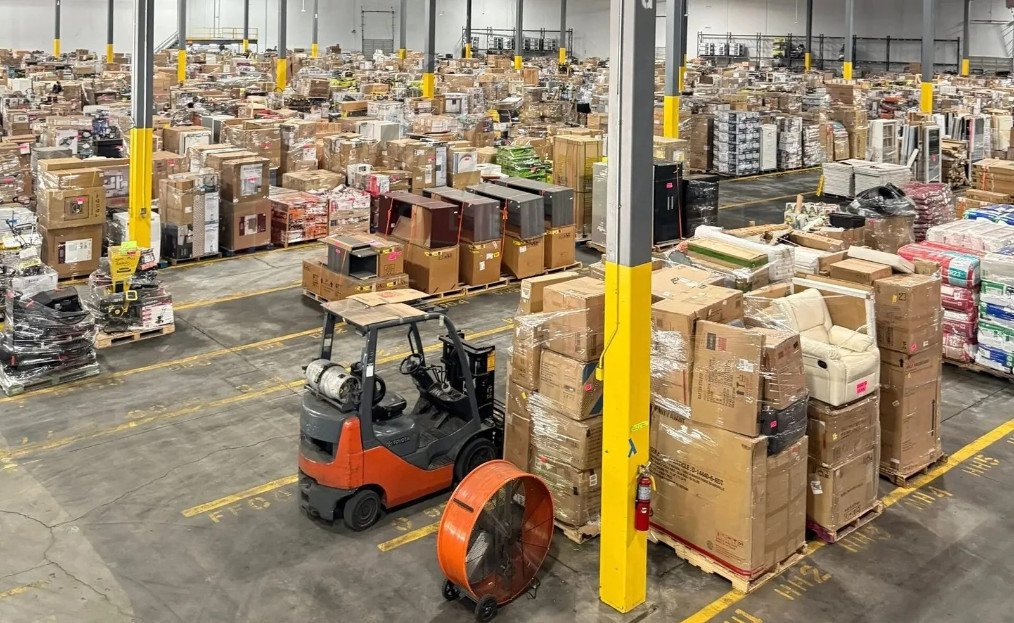
The company sources Amazon returns, overstock, and shelf-pull merchandise, grades and describes loads, and offers inventory by the pallet or truckload. Buyers can also arrange pickup from the Orange, California warehouse or have merchandise shipped throughout the United States.
Our goal is simple:
Give resellers a dependable source of liquidation inventory without unnecessary guesswork.
Pallets or Truckloads: Which Is Right for You?
Start with Pallets If You Are:
New to liquidation
Testing a new product category
Working with limited storage
Learning your resale numbers
Selling through local marketplaces
Consider Truckloads If You Are:
Already moving significant inventory
Operating a warehouse or retail location
Comfortable processing large quantities
Looking for greater purchasing volume
Ready to scale an established resale operation
The right choice is not necessarily the largest purchase you can afford.
The right choice is the amount of inventory you can process, store, market, and sell efficiently.
Where Can You Resell Liquidation Merchandise?
Once you purchase your inventory, you need a plan for selling it.
Popular channels include:
eBay
Ideal for individual products that can be shipped nationally.
Facebook Marketplace
Useful for local sales, especially larger or heavier products.
Flea Markets
A strong option for sellers who want face-to-face customer interaction and high inventory turnover.
Your Own Online Store
Building your own store gives you greater control over branding, customer relationships, and marketing.
Discount or Bin Stores
Businesses with physical retail locations can use liquidation inventory to maintain a constantly changing selection of merchandise.
How to Make Your First Liquidation Purchase More Successful
Your first pallet does not have to be a gamble.
Use a simple process:
Step 1 — Decide what you want to sell.
Choose a category that fits your experience and customer base.
Step 2 — Set your budget.
Remember to include freight, processing, repairs, packaging, and selling fees.
Step 3 — Research the products.
Look beyond retail prices and investigate realistic resale prices.
Step 4 — Understand the condition.
Know whether you are buying new, overstock, shelf-pull, returns, or another condition grade.
Step 5 — Plan your transportation and storage.
Know where the pallet is going before you purchase it.
Step 6 — Process the inventory quickly.
Sort, inspect, test, photograph, price, and list your products.
Step 7 — Track your results.
Record what sold, how quickly it sold, and how much profit you actually generated.
That information becomes extremely valuable when you are ready to purchase your next pallet.
Common Mistakes First-Time Pallet Buyers Should Avoid
Buying Too Much Too Soon
A large truckload may sound exciting, but excess inventory can quickly become a storage and cash-flow problem.
Assuming Everything Will Be Perfect
Liquidation merchandise can include returns and products requiring inspection. Always understand the condition before purchasing.
Using Retail MSRP as Your Profit Calculation
A product's original retail price does not guarantee that customers will pay that amount today.
Forgetting Shipping Costs
A great pallet deal can become less attractive when transportation costs are added.
Buying Without a Resale Plan
Before purchasing, know where and how you intend to sell the merchandise.
Why Resellers Choose Prime Source Depot
Prime Source Depot is built around the needs of resellers.
We provide access to liquidation merchandise sourced from major retail and Amazon liquidation channels, with inventory available by the pallet or truckload. Loads are graded and described so buyers can make more informed purchasing decisions.
Whether you are buying your first pallet or expanding an established resale operation, the objective remains the same:
Buy intelligently. Process efficiently. Sell strategically. Scale profitably.
Ready to Start Buying Liquidation Pallets?
You do not need to build a massive operation overnight.
Start with a category you understand. Learn how liquidation inventory works. Track your numbers. Find the sales channels that work best for you. Then reinvest your profits and scale as your business grows.
At Prime Source Depot, we are here to help resellers turn liquidation inventory into real business opportunities.
Explore available liquidation pallets, learn more about our inventory, or contact Prime Source Depot to find the right inventory for your resale business.
Prime Source Depot, Your Source for Liquidation Pallets & Truckloads.