Pallet vs. Truckload: Which Liquidation Option Is Right for Your Business?
When buying liquidation merchandise, one of the first decisions you need to make is how much inventory to purchase.
Should you start with a single pallet, or is a full truckload the better choice?
The right answer depends on your budget, storage space, transportation, resale strategy, and experience with liquidation inventory.
At Stack Liquidators Wholesale, we help resellers, wholesalers, retailers, online sellers, and growing businesses source liquidation merchandise in quantities that fit their operations.
Here's how pallets and truckloads compare—and how to decide which option makes the most sense for you.
What Is a Liquidation Pallet?
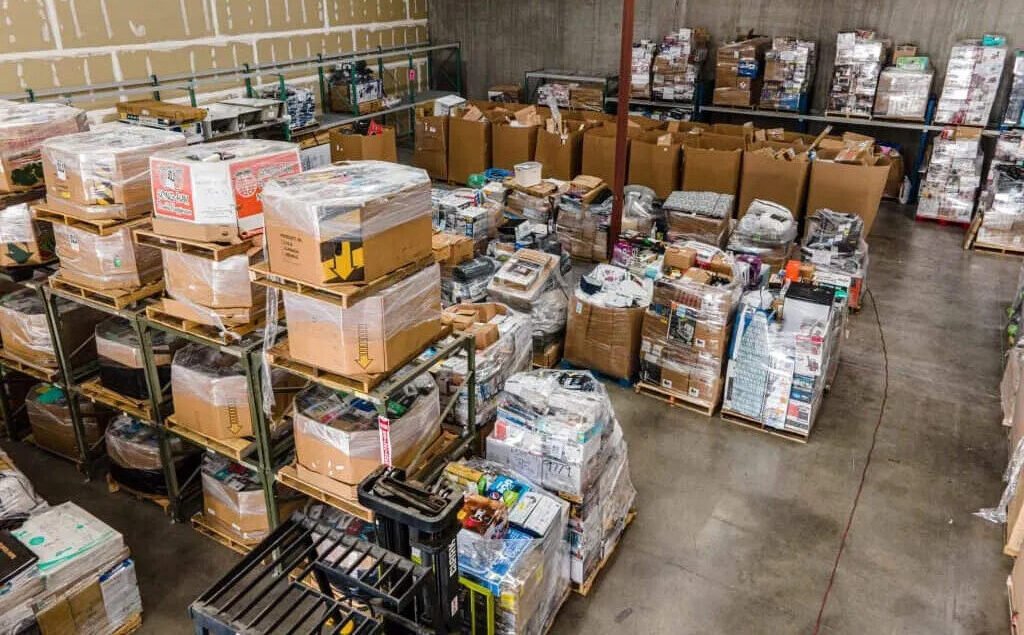
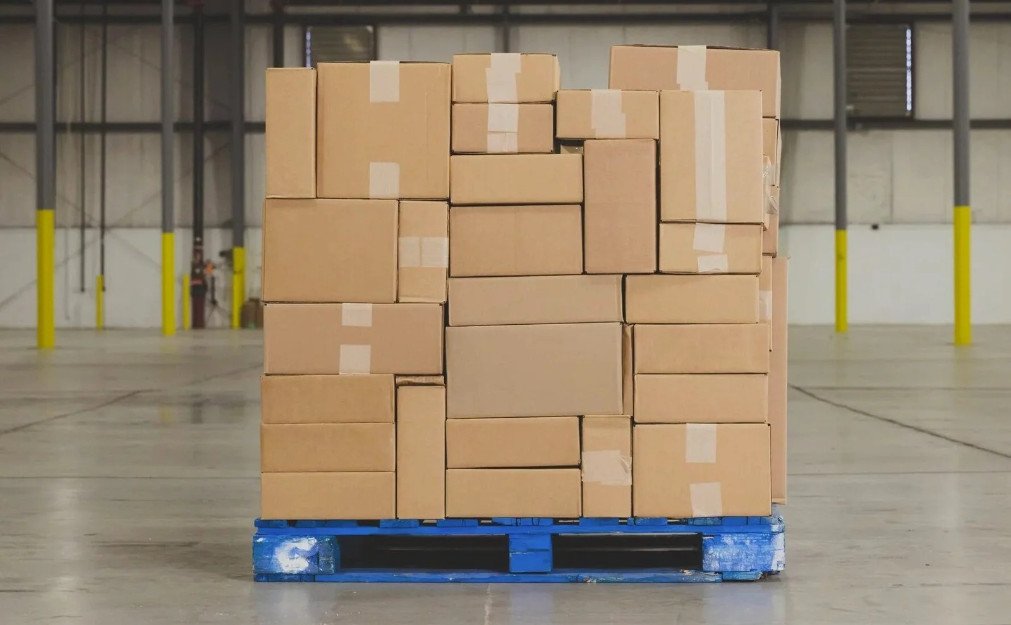
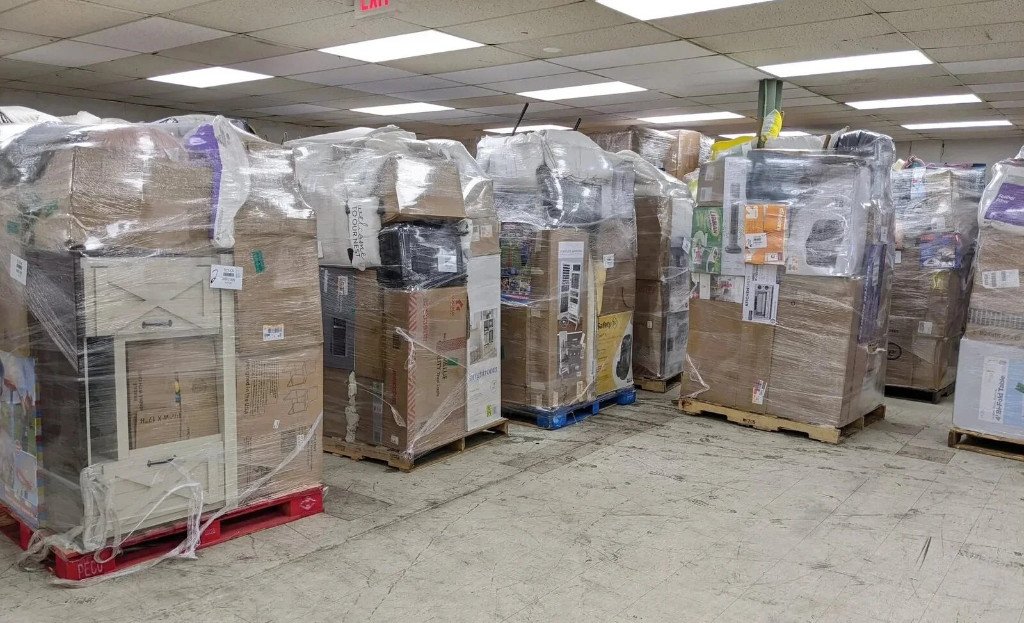
A liquidation pallet is a consolidated load of merchandise secured on a standard pallet for transportation and storage.
Depending on the inventory available, pallets can contain categories such as:
Pallets are an excellent starting point for buyers who want to test a product category or supplier without committing to the cost and volume of an entire truckload.
Who Should Buy Pallets?
Pallets can be a good fit for:
-
New liquidation resellers
-
eBay and marketplace sellers
-
Flea-market and pop-up vendors
-
Small retail businesses
-
Bin-store operators
-
Buyers testing a new product category
-
Businesses with limited warehouse space
The biggest advantage is flexibility. You can purchase a manageable quantity, process the merchandise, learn what sells, and gradually increase your buying volume.
What Is a Liquidation Truckload?
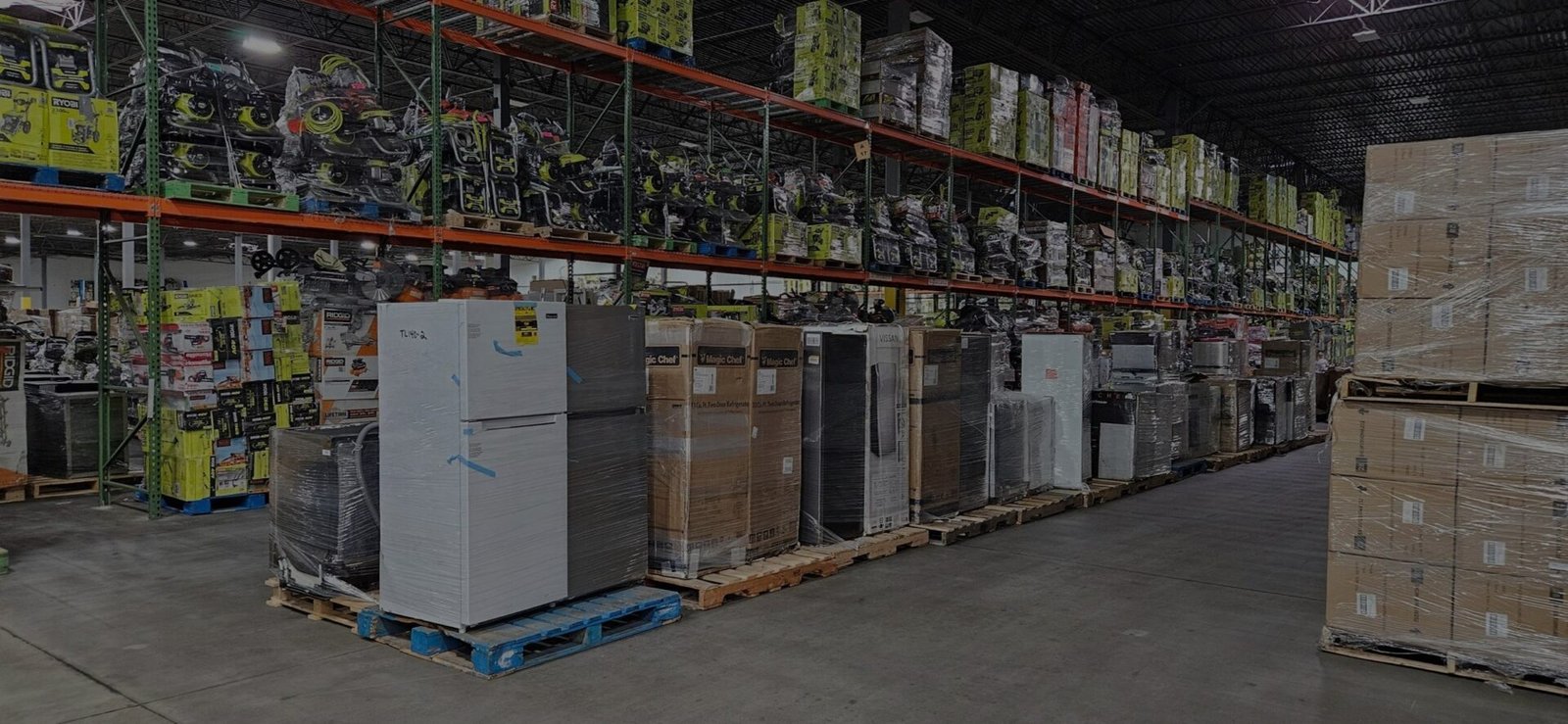
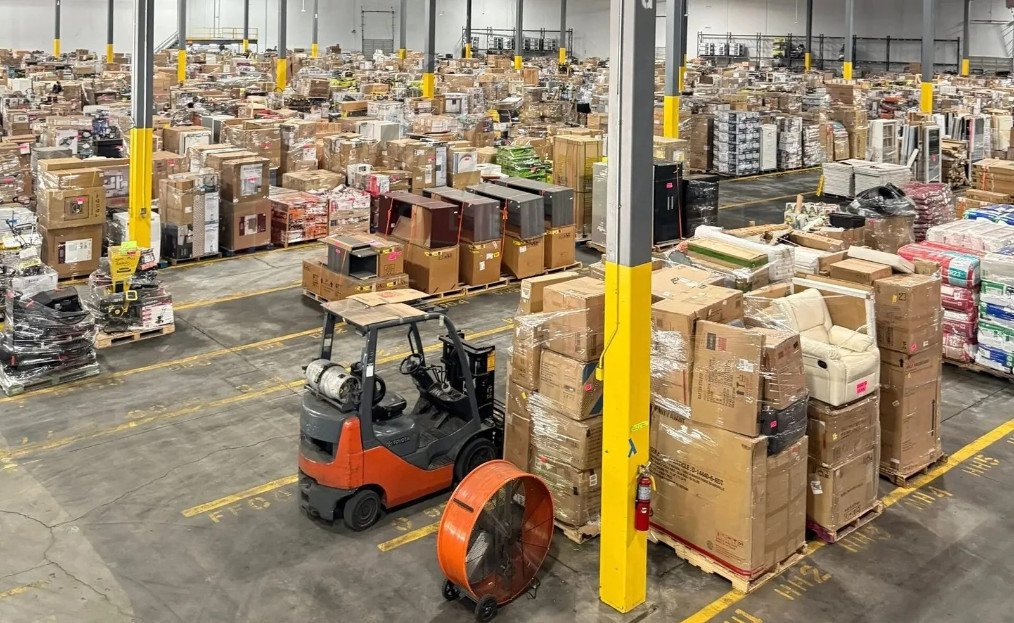
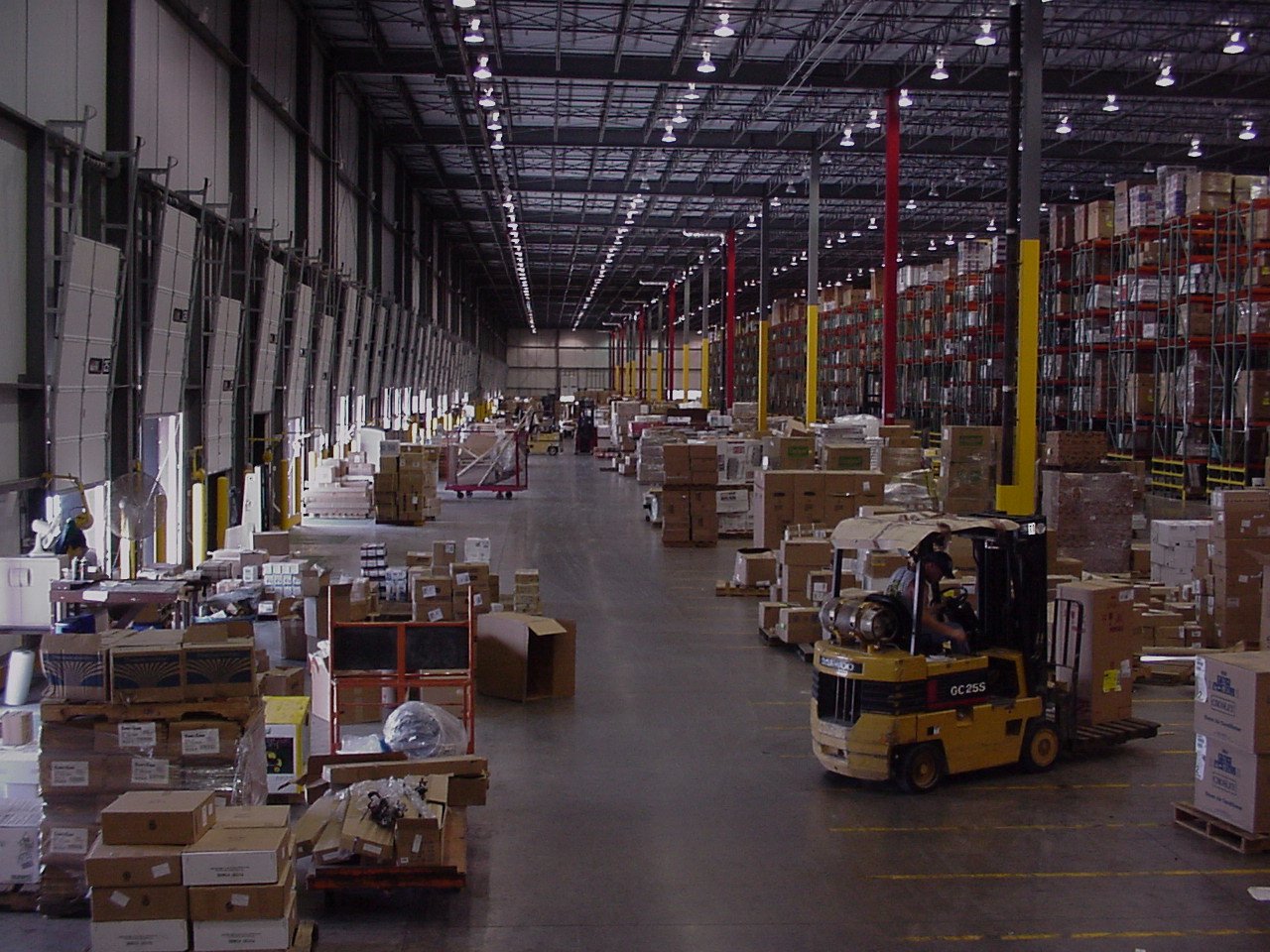
A truckload is a significantly larger quantity of liquidation inventory—typically enough merchandise to fill a commercial freight trailer.
Truckloads can offer substantial buying power because you're purchasing inventory in bulk rather than one pallet at a time.
Depending on the available inventory, truckloads may contain a single product category or a broader assortment of liquidation merchandise.
Truckload purchasing is generally better suited to established businesses that already have:
-
Adequate warehouse or storage space
-
Reliable transportation or freight arrangements
-
Employees or labor for unloading and processing
-
Established resale channels
-
Enough working capital to purchase and process large quantities
Pallet vs. Truckload: What's the Difference?
| Feature |
Pallet |
Truckload |
| Purchase Volume |
Smaller quantity |
Large bulk quantity |
| Initial Investment |
Lower |
Higher |
| Storage Requirements |
More manageable |
Significant warehouse space |
| Transportation |
Easier to handle |
Requires larger freight capacity |
| Best For |
New and growing resellers |
Established high-volume buyers |
| Risk Exposure |
Lower per purchase |
Higher per purchase |
| Potential Buying Power |
Good |
Greater at scale |
| Processing Requirements |
Easier to manage |
Requires more labor and organization |
| Ideal Buyer |
Resellers, small businesses, marketplace sellers |
Wholesalers, retailers, bin stores and high-volume resellers |
Which One Should You Buy?
The answer starts with your business—not simply the price of the inventory.
1. Consider Your Budget
If you're new to liquidation, purchasing a pallet can allow you to enter the market without putting too much capital into a single purchase.
Once you understand your sales channels, margins, and processing costs, you can consider increasing your purchase volume.
For established businesses, truckloads can provide access to significantly more inventory at once and may improve your overall cost per unit.
2. Consider Your Storage Space
Before purchasing liquidation inventory, determine exactly where you're going to put it.
A pallet requires considerably less space than a full truckload.
If your current operation is a garage, small warehouse, storefront, or limited storage area, pallets may be the more practical option.
If you operate a warehouse or distribution facility, truckloads can make more sense.
3. Consider Your Transportation
Transportation is another important part of the equation.
A pallet may be manageable with appropriate local pickup or freight delivery, depending on its size and weight.
A truckload requires the logistics to receive a full commercial shipment, including sufficient unloading space and the proper equipment.
Always consider your total landed cost, not just the advertised inventory price.
4. Consider Your Resale Experience
If you're just starting out, buying smaller quantities gives you an opportunity to learn.
You'll discover:
-
Which products sell fastest
-
Which marketplaces work best for you
-
How much processing is required
-
How to evaluate product condition
-
What your actual profit margins look like
-
How quickly you can move inventory
Once you've developed a repeatable resale process, scaling into larger purchases becomes much easier.
5. Consider Your Business Goals
Ask yourself what you're trying to accomplish.
If your goal is to test liquidation reselling, a pallet may be the better starting point.
If you're already selling consistently and need a larger supply of inventory, a truckload may be the logical next step.
For businesses that operate retail stores, discount outlets, bin stores, wholesale operations, or multiple online sales channels, truckload purchasing can provide the volume necessary to keep inventory flowing.
Don't Look at Price Alone
One of the biggest mistakes liquidation buyers make is focusing only on the purchase price.
Your real cost can include:
A pallet with a lower purchase price isn't automatically the better deal.
Likewise, a truckload isn't automatically more profitable simply because you're buying in bulk.
The goal is to understand your landed cost, recovery rate, sell-through rate, and expected resale value before scaling your purchases.
Why Buying From a Wholesale Liquidator Matters
Liquidation inventory can vary significantly from one load to another.
That's why choosing a reliable wholesale liquidation supplier is just as important as choosing between a pallet and a truckload.
At Stack Liquidators Wholesale, our goal is to help buyers source liquidation inventory with a clear understanding of what they're purchasing, the quantity involved, and the buying conditions.
Whether you're purchasing your first pallet or scaling your operation with larger-volume loads, the right inventory should fit your business model—not the other way around.
Start Small. Learn. Then Scale.
You don't need to begin with a truckload to build a successful liquidation business.
For many new buyers, starting with a pallet provides an opportunity to learn the business, understand inventory conditions, test resale channels, and establish realistic profit expectations.
Once your operation is ready for more volume, moving into larger purchases can help you scale.
The best purchase isn't necessarily the biggest one.
It's the one that your business can afford, process, store, and sell profitably.
Ready to Source Liquidation Inventory?
Whether you're looking for liquidation pallets, bulk inventory, or truckload opportunities, Stack Liquidators Wholesale can help you find the right buying option for your business.
Start with the quantity that matches your current operation—and scale as your business grows.
Stack Liquidators Wholesale
Wholesale Liquidation Inventory for Resellers, Retailers & Growing Businesses
[Contact Stack Liquidators Wholesale] | [Browse Available Inventory]