How to Build a Repeatable Liquidation Buying System That Actually Scales
Buying liquidation inventory can be one of the best ways to build a profitable resale business, but only when your buying process is consistent.
Many resellers start by purchasing whatever looks like a great deal. One pallet might produce excellent profits, while the next sits in storage for months. As the business grows, this approach becomes harder to manage.
The goal isn't simply to find cheap inventory.
The goal is to build a repeatable buying system that helps you consistently purchase inventory with a clear path to profit.
At Prime Source Depot, we believe successful reselling starts with smarter purchasing decisions. Here's how to build a system that can grow with your business.
Stop Chasing Deals and Start Building a System
When you're starting out, an inexpensive pallet can feel like an opportunity you can't pass up.
But price alone doesn't determine whether inventory is profitable.
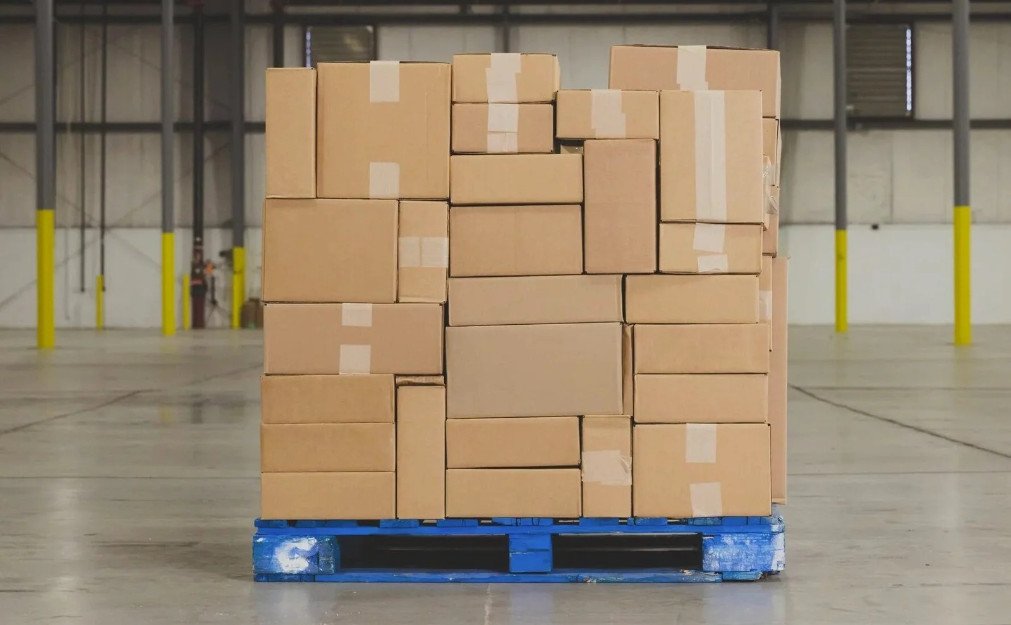
A pallet can be cheap and still be difficult to sell. It may contain products with limited demand, damaged merchandise, slow-moving items, or products that don't fit your customer base.
Instead of asking:
"How cheap can I buy this pallet?"
Start asking:
"Can I sell this inventory profitably and consistently?"
That simple change in thinking can completely change the way you source liquidation inventory.
Build Your Buying System Around Three Questions
A scalable liquidation business should have a clear answer to three basic questions:
1. What Should I Buy?
Focus on product categories that have demonstrated demand in your market.
Look at:
Products that sell quickly
Categories with healthy resale margins
Items your customers regularly request
Products you already understand how to price and market
Inventory that fits your selling channels
Your buying decisions should be based on what performs, not simply what happens to be available today.
2. When Should I Buy?
Your purchasing schedule should match your sales volume and available cash flow.
Buying too much inventory at once can tie up capital and create storage problems. Buying too little can leave you without enough inventory to keep customers coming back.
A consistent purchasing schedule gives you better control over:
Cash flow
Inventory levels
Storage space
Sales planning
Reinvestment
Instead of buying whenever an opportunity appears, establish purchasing guidelines that make sense for your business.
3. Where Should I Buy?
Your supplier matters just as much as the inventory itself.
A reliable liquidation supplier can make your purchasing process more predictable. You want to understand what type of inventory you're purchasing, what condition to expect, and whether the supplier can consistently provide merchandise that fits your business.
The objective is to develop sourcing relationships you can return to, not constantly start from zero.
Don't Make These Two Common Buying Mistakes
Mistake #1: Choosing Cheap Inventory Over Profitable Inventory
The lowest-priced pallet isn't necessarily the best pallet.
If inventory takes too long to sell, requires excessive markdowns, or consumes valuable storage space, your initial savings may disappear.
Think about total profitability, not just the purchase price.
Consider:
Purchase Cost + Transportation + Processing + Selling Costs = True Inventory Cost
Then compare that cost with your realistic resale value.
This gives you a much clearer picture of whether the purchase actually makes sense.
Mistake #2: Not Tracking What Sells
Your previous purchases contain valuable information.
Track which categories sell fastest, which products generate the strongest margins, which items consistently sit in inventory, and which types of liquidation loads produce the best results.
Over time, this creates a feedback loop:
Buy → Sell → Track → Analyze → Improve → Buy Better
The more consistently you track your results, the less you have to rely on guesswork.
Your Inventory Should Follow Your Customers
One of the biggest advantages of having a repeatable buying system is that your inventory becomes aligned with demand.
If your customers consistently purchase tools, home goods, electronics, appliances, or other specific categories, your buying strategy should reflect that demand.
Don't build your inventory around what happens to be available.
Build your inventory around what your customers are actually willing to buy.
That's how individual liquidation purchases can become a dependable inventory strategy.
Use Your Past Purchases to Improve Future Purchases
Every pallet is a learning opportunity.
After selling a load, ask yourself:
What sold first?
What generated the best margin?
What took the longest to sell?
Which products should I buy again?
Which products should I avoid?
Did the actual results match my expectations?
How much capital was tied up?
How long did it take to recover my investment?
You don't need a complicated system to get started.
Even a simple spreadsheet can help you identify patterns that aren't obvious when you're making decisions from memory.
Create a Simple Buying Scorecard
Before purchasing a liquidation pallet or larger inventory load, evaluate it using the same criteria every time.
For example:
Product Demand: Is there a proven market for these products?
Expected Margin: Can I realistically resell the inventory for a worthwhile profit?
Condition: Does the merchandise condition match my selling strategy?
Quantity: Can I sell this amount without overwhelming my storage capacity?
Cash Flow: Can I make this purchase without putting unnecessary pressure on the business?
Supplier Reliability: Is this a source I can confidently purchase from again?
The purpose of a scorecard isn't to eliminate every risk.
It's to make your decisions more consistent.
Scale What Works
Scaling doesn't necessarily mean buying more inventory immediately.
First, identify what works.
If a particular category consistently sells well, produces healthy margins, and fits your customer base, that's where you should look for opportunities to increase purchasing volume.
If another category repeatedly ties up your cash, reduce your exposure to it.
Scale the winners. Reduce the mistakes.
That's how a liquidation business can grow without simply increasing its problems.
From Random Pallet Purchases to a Real Buying Strategy
Successful reselling isn't built from one great pallet.
It's built from being able to repeat good decisions.
A strong liquidation buying system helps you move from:
Random Deals → Consistent Sourcing
Guesswork → Data-Based Decisions
One-Time Wins → Repeatable Profits
Reactive Buying → Planned Purchasing
Small-Scale Experimentation → Sustainable Growth
The objective isn't to remove every risk from liquidation inventory.
The objective is to develop a process that allows you to make better decisions repeatedly.
Build Your Next Purchase With Prime Source Depot
Whether you're a new reseller building your first inventory base or an established business looking to increase purchasing volume, your sourcing strategy matters.
At Prime Source Depot, the goal is to help resellers access liquidation and wholesale inventory that can become part of a consistent buying strategy.
Before you purchase your next pallet, don't just ask whether it's a good deal.
Ask whether it fits your system.
Ask whether you understand the demand.
Ask whether the numbers make sense.
And most importantly, ask whether it's something you would confidently buy again if it performs as expected.
Because scalable reselling isn't about finding one great deal.
It's about building a buying process you can repeat.
Ready to Build a Smarter Inventory Strategy?
Explore the available liquidation inventory from Prime Source Depot and start building a sourcing process around the products, margins, and customers that drive your business forward.